Healthy Pregnancy Nutrition
Healthy Pregnancy Nutrition
Nutrition during pregnancy is not just about feeding the mother — it’s about building a strong foundation for the baby’s growth and development. A healthy diet supports the mother’s energy, reduces complications, and ensures the fetus receives the essential nutrients it needs. In this post, we will explore the key elements of a balanced pregnancy diet.
1. The Importance of Balanced Meals
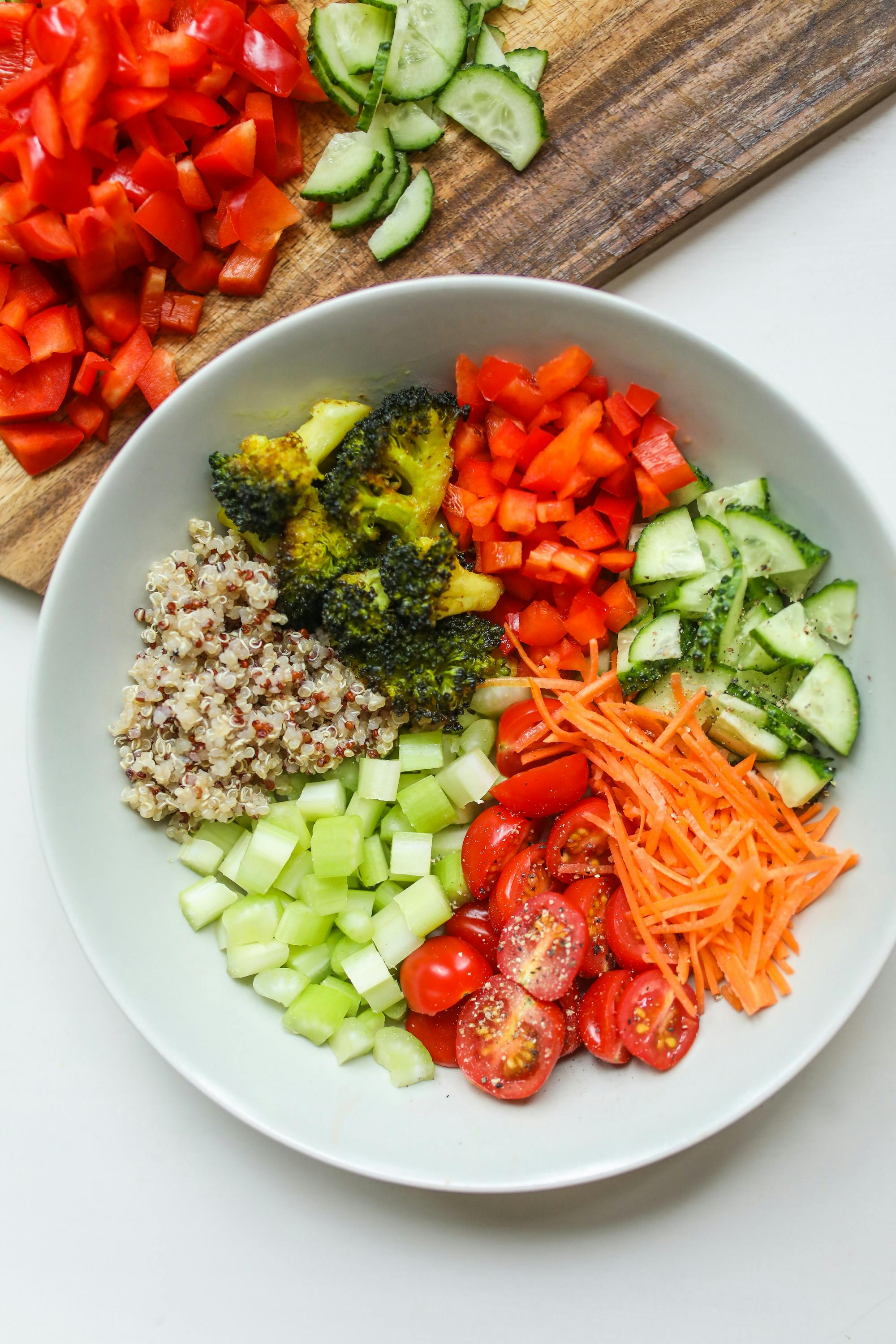
Eating a variety of foods ensures both mom and baby get vitamins, proteins, healthy fats, and minerals. A balanced plate includes vegetables, fruits, lean proteins, whole grains, and dairy products. Small, frequent meals also help reduce nausea and keep energy levels steady.
2. Essential Nutrients for Pregnancy
• Folic Acid: Prevents birth defects and supports brain development. Found in leafy greens, beans, and fortified cereals.
• Iron: Helps produce extra blood for both mom and baby. Sources include red meat, spinach, and lentils.
• Calcium: Builds strong bones and teeth for the fetus. Dairy, almonds, and broccoli are great sources.
• Omega-3 Fatty Acids: Supports brain and eye development. Found in salmon, flaxseeds, and walnuts.
3. Foods to Avoid
Pregnant women should avoid raw fish, undercooked meat, unpasteurized dairy, and excessive caffeine. These foods may carry bacteria or chemicals harmful to the fetus. Moderation is key to safety.
4. Hydration and Healthy Habits
Drinking enough water (8–10 glasses daily) supports digestion, circulation, and nutrient transport. Reducing sugary drinks and replacing them with fresh juices or herbal teas keeps both mom and baby healthier.
In conclusion, pregnancy nutrition is about mindful choices and balance. By focusing on whole, nutrient-rich foods and avoiding harmful items, mothers give their babies the best possible start in life. A well-fed mom means a well-growing baby.


Комментарии
Отправить комментарий